


Home security systems have come a long way in recent years, incorporating advanced technology to provide homeowners with enhanced safety and peace of mind. With the rise in smart home devices and the Internet of Things (IoT), home security systems have become more intelligent, convenient, and effective than ever before. Let’s explore some of the latest trends in home security systems.
1. Wireless and Cellular Connectivity
Gone are the days of relying solely on wired security systems. Wireless and cellular connectivity have become the norm in modern home security solutions. Wireless systems offer flexibility in installation, as they don’t require extensive wiring. Cellular connectivity ensures that the system remains operational, even if the power or internet connection is disrupted. This trend has made home security systems easier to install and more reliable.
2. Integration with Smart Home Devices
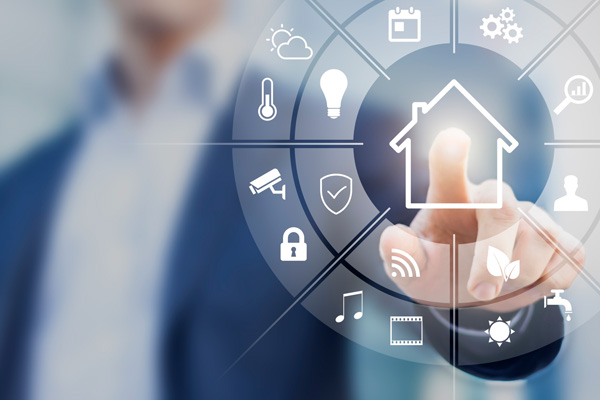
The integration of home security systems with smart home devices has revolutionized the way we protect our homes. These systems can now be connected to voice assistants like Amazon Alexa or Google Assistant, allowing homeowners to control their security systems using voice commands. Integration with smart locks, doorbell cameras, and motion sensors provides a comprehensive security solution that can be managed through a single interface.
3. Video Doorbells and Security Cameras
Video doorbells and security cameras have become increasingly popular due to their ability to provide real-time visual monitoring of the surroundings. Video doorbells allow homeowners to see and communicate with visitors at their front door through a smartphone app, even when they are not at home. Security cameras offer continuous surveillance and can be accessed remotely, providing homeowners with peace of mind and evidence in case of any suspicious activities.
4. Artificial Intelligence and Facial Recognition
Artificial intelligence (AI) and facial recognition technology are now being integrated into home security systems. These advancements enable the system to differentiate between familiar faces and potential intruders, sending alerts only when necessary. AI algorithms can also analyze patterns and behaviors to detect any unusual activities, enhancing the overall security of the property.
5. Mobile Apps and Remote Monitoring
Mobile apps have made it incredibly convenient for homeowners to monitor their home security systems remotely. These apps allow users to arm or disarm the system, receive real-time alerts, view live video feeds, and even control other connected smart devices. Remote monitoring provides homeowners with complete control and visibility over their home security, no matter where they are.
6. Environmental Sensors
In addition to protecting against break-ins, home security systems now incorporate environmental sensors to detect other potential hazards. Smoke detectors, carbon monoxide detectors, and water leak sensors can be integrated into the system, providing early warnings and helping prevent damage or harm to the property and its occupants.
The latest trends in home security systems focus on convenience, connectivity, and intelligence. Wireless and cellular connectivity, integration with smart home devices, video doorbells, AI and facial recognition, mobile apps for remote monitoring, and environmental sensors are just a few of the advancements that are making homes safer and more secure. As technology continues to evolve, home security systems will only become more sophisticated, providing homeowners with an increased sense of safety and protection.
