

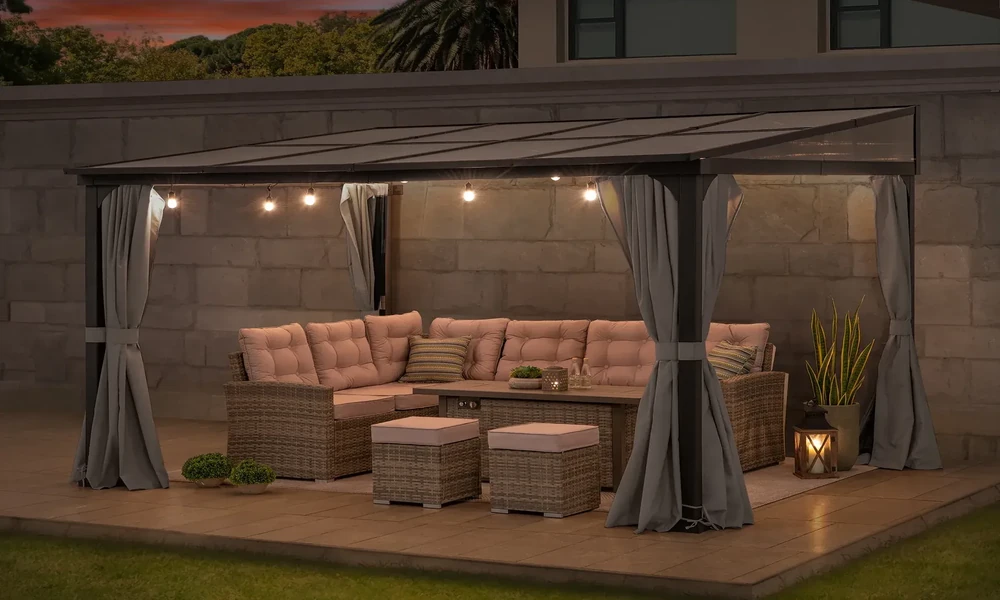
Gazebos rarely fail all at once. They fail in small places first, usually somewhere around the third year, when a post base starts wicking moisture or a roof seam lets meltwater creep into a rafter. By the time anyone notices, the repair is bigger than it needed to be. That slow decline is the reason the planning stage deserves more attention than the stain color or the shape of the cupola.
Anyone comparing Utah County gazebos services should pay attention to which builders ask about soil, wind and snow before they ask about trim. The Spanish Fork crew behind qualitydeckingofutah.com builds custom gazebos alongside timber frame pavilions, pergolas and covered outdoor kitchens, so a gazebo can be planned as one piece of a larger back yard instead of something dropped onto the lawn as an afterthought. Following a gazebo through its first five years shows why those early questions matter so much.
Before the First Post Goes In
Shape comes first for most people, and it carries more practical weight than it seems. Octagons and hexagons have the classic look, with a roof that rises to a point and sheds weather well. Rectangles and squares are less romantic but far better at holding a dining table, an outdoor sectional or a grill station. A twelve foot octagon sounds generous until you set a table for six inside it and realize the chairs hit the railing. Measuring the furniture you actually own is the cheapest design step there is.
Location is the next big call. A gazebo tucked into a low corner of the yard collects runoff every spring. One placed too far from the house rarely gets used on weeknights. One aimed at the mountains instead of the neighbor’s fence gets used constantly.
Paperwork also belongs in this stage. Many cities exempt very small detached structures from a full building permit, yet setbacks, height limits, HOA design rules and any electrical work usually still need approval. Checking with the city before ordering materials avoids the painful scenario of a finished gazebo sitting two feet too close to a property line.
A handful of decisions should be settled before anyone digs a hole.
- What the gazebo will hold, whether that is a dining set, a lounge area, a hot tub or a cooking station.
- Where roof runoff and spring snowmelt will drain once the structure is standing.
- Whether you want power for ceiling fans, lights, heaters or outlets.
- Whether the sides stay open or get screens, half walls or roll down panels.
- What sits underneath it, such as concrete piers, a poured slab or an existing deck.
Year One Belongs to the Sun
The first summer is when the finish earns its keep. Bare wood left in strong sun begins yellowing within a couple of months and then slowly turns gray as ultraviolet light breaks down the surface fibers. A Purdue Extension guide to exterior wood finishes, written with a USDA Forest Service wood scientist, points out that most early finish failures come from pairing the wrong finish with the wood or skipping the recommended application steps. At valley elevations around 4,500 feet, those mistakes show up sooner.
The same handbook explains why clear varnish tends to disappoint outdoors. Sunlight passes through the transparent film and degrades the wood beneath it, so the coating cracks and peels, often in under two years. Pigmented semitransparent stains hold up better because the pigment itself blocks part of that light. The handbook also points out that finishes fail first at end grain, which on a gazebo means post tops, rafter tails and the cut ends of railing pieces. Those spots deserve an extra coat before installation, not after.
Material choice shapes this first year too. Cedar takes stain beautifully and resists decay naturally. Pressure treated pine is affordable but needs time to dry before it accepts a finish. Heavy timber frame members, often Douglas fir, develop surface checks as they dry, which looks alarming but is normal and rarely structural. Vinyl and aluminum skip staining entirely, though they can chalk and fade under strong sun.
The First Winter Tests the Roof
Snow is the real exam. A steep roof pitch helps a gazebo shed snow before it builds up, and the pointed roof of an octagon does this naturally. Lower pitched rectangular roofs need rafters sized for the full load, which climbs quickly as you move from the valley floor to the benches and canyon neighborhoods.
Roofing material changes how winter plays out. Architectural shingles can match the house and handle snow well. Standing seam metal sheds snow fast, which is great for the structure but means a heavy slide lands at the drip line, so nobody wants a walkway right there. Cedar shakes look wonderful and ask for more upkeep than either.
Gazebos built over hot tubs face a winter problem of their own. Warm steam rises, hits a cold roof deck and condenses, dripping back down and soaking the framing. A vented cupola, sealed roof underside and enough open area for air movement keep that moisture from turning into rot.
Wind Finds the Weak Joint
Utah County gets strong downslope winds pouring out of the canyon mouths, and the turbines standing near the mouth of Spanish Fork Canyon are a visible clue about how hard it can blow. A gazebo roof catches that wind like a wing, creating uplift that tries to pull the whole structure off its base.
Good builds answer this with posts bolted into galvanized or stainless anchors set in concrete piers that reach below the local frost line, plus metal connectors tying rafters to beams. A gazebo resting on pavers or loose blocks may look fine for a season, then shift after one windstorm and a freeze and thaw cycle. When a gazebo sits on an existing deck, each post needs to land on a beam or solid blocking that can carry a concentrated load, never on decking boards alone.
Years Two Through Five Run on Habits
Once the structure has survived its first full cycle, longevity depends on small routines. Sunny south and west faces usually need fresh stain every two to three years, while shaded sides can stretch longer. Utah’s dry air makes wood shrink noticeably, so fasteners that were snug at installation may need tightening by the second spring. A walk around after snowmelt to look at post bases, roof edges and railing joints catches problems while they are still minor.
Screens become worth their cost for homes near Utah Lake or irrigated fields, where summer evenings bring mosquitoes. Ceiling fans and outdoor rated lights need occasional cleaning, and any outlets should be on protected circuits that get tested now and then.
A gazebo that reaches its fifth winter in good shape usually looks a little different than it did on day one. The wood has settled into an even, deeper tone, the joints are tight, the roof line is still straight and the posts stand exactly where they were set. None of that is luck. It comes from sizing, placement, finish and anchoring decisions made before the first post went in, followed by a few honest hours of attention each spring.
