

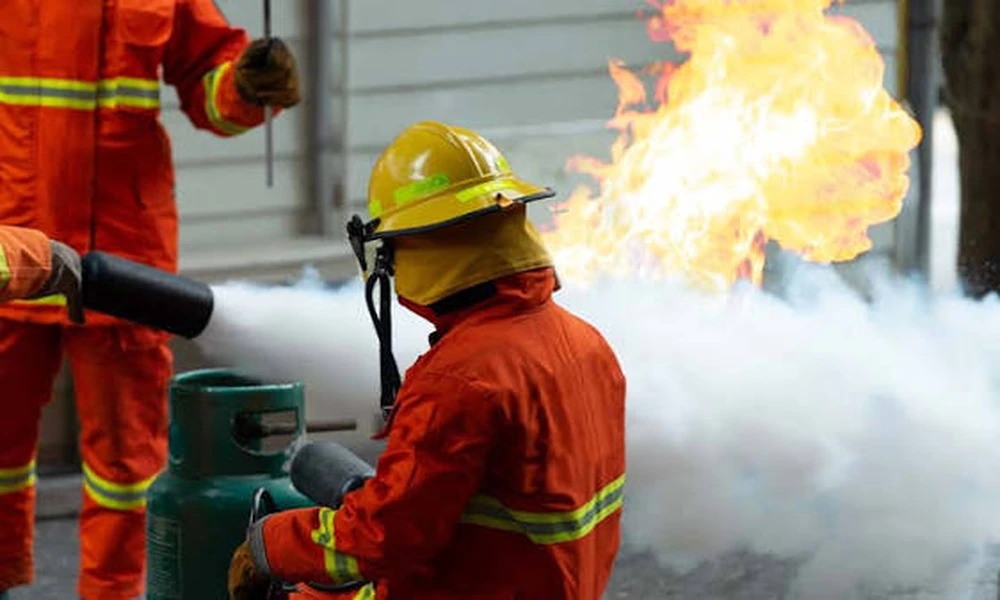
A fire watch guard is more than just someone walking through a building and checking for smoke. This position demands great observation, judgment and quick action when things go wrong. Guards should be trained to identify hazards and take appropriate action when they are on a construction site or protecting a building during alarm repairs. Businesses can select employees who are ideal for real emergencies when they are aware of the requirements of the position.
Deploying properly certified fire watch guards guarantees that your property is actively monitored by professionals who can recognize subtle risks and execute rapid emergency protocols. Verifying these qualifications upfront ensures that your building remains in full compliance with municipal fire codes while maintaining a reliable safety barrier during system outages or high-risk operations.
Essential Fire Safety TrainingAll fire watch guards need a good knowledge of basic fire safety. Common fire hazards, various types of fire, fire prevention and the safe use of fire extinguishers are usually taught. Guards are also taught to identify unusual heat, burning odours, smoke and sparks as early warning signs. This information enables them to detect issues before they escalate into major accidents. Knowing how to evacuate and what to do when the alarm goes off is also crucial, especially in commercial buildings where people may require quick instructions.Emergency Response & First AidEmergencies don’t always go as planned. A competent fire watch person must be able to sound the alarm, notify the emergency services and follow the evacuation procedures to ensure there is no unnecessary confusion. First aid training may also be beneficial, especially in construction areas and industrial facilities where an accident could happen in conjunction with a fire. CPR and basic emergency care training, depending on the role, may be useful to guards in providing initial care until medical staff arrives.Hot Work Safety Certification Sparks from welding, grinding and cutting may cause combustible materials to catch fire. Fire watch guards in hot work areas must be aware of the risk associated with hot work, for this reason. Usually, hot work training will include fire prevention, control of combustible materials, safe monitoring and post-work inspections. There may be specific hot work qualifications or training requirements at some sites or jurisdictions. Guards should also be aware of the permit requirements for the site and of the times for reporting unsafe working conditions.Industry-Specific CertificationsCertification requirements vary depending on the location, industry and type of assignment. Some employers may require Occupational Safety and Health Administration (OSHA) training in the United States, and some may have specific site-based safety training requirements. Some jurisdictions have specific qualifications or training requirements set forth by the local fire authorities. Businesses must check these requirements and not take a general fire safety certificate for granted before they deploy guards.A focus on communication and practical experience.It’s not possible for technical knowledge to prepare a person for every situation. Communication is also a key skill that fire watch guards must have, as they are required to communicate hazards clearly, as well as coordinate with supervisors and guide occupants in emergencies. Practical training, such as emergency drills and supervised patrolling, allows guards to apply the knowledge they have acquired. Knowledge of various site layouts and fire protection systems may enhance their risk awareness further.It is important to select the proper guards.A fire watch certificate is not enough to ensure good fire watch coverage. Training records, experience, knowledge and understanding of emergency response and site-specific procedures should be reviewed.
