

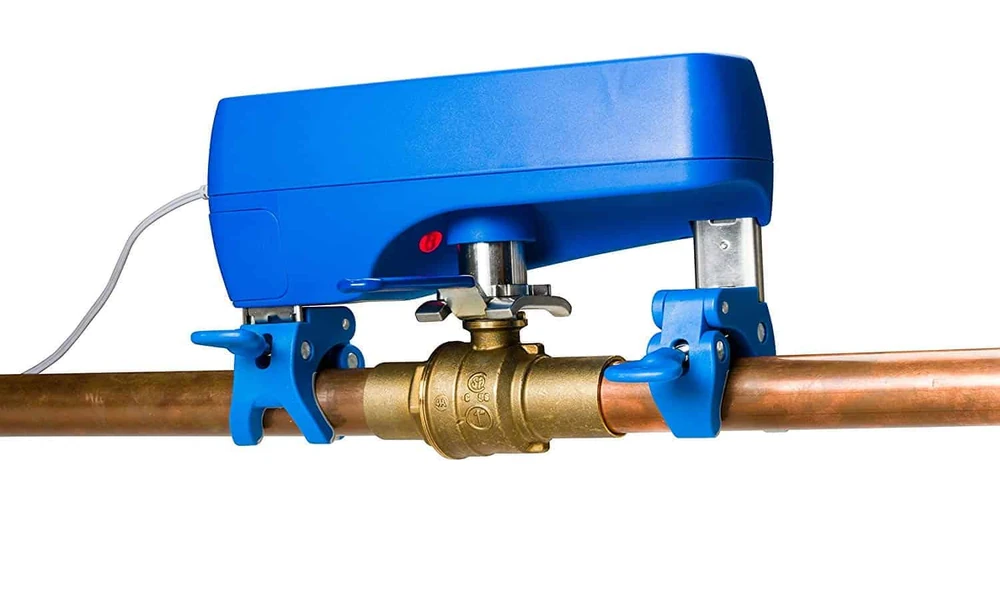
Most household water damage does not begin with a storm. It starts with a braided hose behind the washer, a toilet fill valve that sticks open, or a pinhole in a copper line inside a wall. What turns those small failures into ruined floors and swollen cabinets is time, because a pressurized supply line keeps pushing water for as long as nobody shuts it off. An automatic shutoff valve exists to shrink that window from hours or days down to seconds.
That idea has moved from luxury builds into ordinary homes over the past few years, and plumbers who install them, such as the family owned crew at Farrell Plumbing & Cooling Inc., tend to pair the valve with a look at the pipes it will be guarding. A valve protects the system, but it works best when the system behind it is already in decent shape.
So what are these devices actually doing on your main line, and where do they fall short? The answers decide whether one is worth adding to your house.
How a Valve Figures Out Something Is Wrong
A smart shutoff is really two parts working together. One is a motorized valve, usually a ball valve, mounted on the main water line. The other is the brain that decides when to close it. That decision comes from one or more of three detection methods.
Watching the flow
Flow based units sit on the main and measure how much water passes through, and for how long. A shower runs for ten or fifteen minutes and stops. A burst hose runs at full volume and never stops. When flow continues past a set limit of time or volume, the valve closes and your phone gets an alert. Many models spend their first couple of weeks learning your routines so they can tell a long bath from a broken fitting.
Testing the pressure
Some valves go further by running a pressure test while the house sleeps. The valve closes briefly, then watches whether pressure in the plumbing holds steady. If it drops, water is escaping somewhere, even if it’s only a few drops an hour. This is how a dripping toilet flapper or a weeping joint behind drywall gets caught months before it stains a ceiling.
Feeling for moisture
The simplest layer is a set of small sensors placed on the floor near the water heater, under sinks, beside the dishwasher and behind the washing machine. When one gets wet, it signals the valve to shut. These sensors catch leaks from appliances that a flow reading might mistake for normal use.
The strongest setups combine all three, since each covers blind spots in the others.
Placement Shapes How Well It Works
Where the valve goes matters more than which brand sits on the box. It belongs on the main line just after the house shutoff, ahead of any branches feeding fixtures, so it can cut water to everything at once. If the home has a water softener, filter or pressure reducing valve, the installer will plan around those so readings stay accurate.
Power and signal deserve thought too. A valve installed in a garage or basement needs a reachable outlet, and a WiFi model needs a signal strong enough to report an alert when you’re away. Battery backup is worth having, because a valve that loses power during an outage cannot close on its own. Pipe size should match the main line exactly, and an undersized valve can reduce water pressure throughout the house.
Leaks These Systems Can Miss
Smart valves are good at stopping supply water. They are less helpful with a few kinds of trouble, and knowing those limits keeps expectations realistic.
- Drain and sewer leaks. Water leaving the house through drains is not under supply pressure, so a cracked drain pipe or a slow leak at a shower pan won’t register on the valve.
- Water already stored in a tank. When a water heater tank rusts through, closing the main stops new water from entering, but the gallons inside the tank can still spill onto the floor.
- Toilet overflows from a clog. The valve can stop the refill, yet the bowl’s contents still escape.
- Lines split off before the valve. Irrigation or a hose bib tapped upstream of the device stays unprotected unless it gets its own monitoring.
That’s why a floor sensor near the water heater and a drain pan with its own outlet still earn a place even in homes with whole house protection.
Living With the System Day to Day
Ownership is mostly about settings. Away modes tighten the rules while you travel so that any meaningful flow triggers a shutoff. Home modes relax them so long showers, filling a bathtub or running the sprinklers don’t cause false alarms.
Alerts should go to more than one phone. If the only person getting the warning is on a flight, the valve’s work is half done. Most apps also let you close and open the valve remotely, which is handy when a neighbor calls about water running down your driveway.
Mechanical care is easy to forget. Ball valves that stay open for years can stiffen from mineral buildup, especially in hard water areas. Many units cycle themselves automatically, but if yours doesn’t, closing and reopening it every month or two keeps the motor and seals moving freely.
Cost, Coverage and the Case for Doing It
Installation usually means cutting into the main line, so it is a plumber’s job rather than a weekend project, and some areas require a permit.
Against that, consider what one bad leak can do to drywall, flooring, insulation and cabinets, plus the drying equipment and mold remediation that often follow. Some home insurers now offer premium credits for leak detection devices, particularly ones that shut water off automatically, so it’s worth calling your agent before buying to ask which devices qualify.
Before any install, a simple meter test tells you whether the house is already losing water. The Alliance for Water Efficiency explains how to check your water meter for leaks by turning off every fixture and appliance, recording a reading and checking it again after fifteen minutes. If the numbers move, fixing that leak comes first, because a valve learning its baseline from a leaking house will treat the leak as normal.
Old Habits Still Count
Technology does not replace knowing your own house. Everyone who lives there should know where the manual main shutoff is and how to turn it, because a dead battery or a router outage can happen on the same night a pipe fails. Supply hoses on washers and toilets wear out and deserve replacement every several years, and braided stainless lines are a sturdier choice than rubber.
Think of a smart valve as a guard that never sleeps, not a reason to stop paying attention. Paired with sound pipes, a few floor sensors and a household that knows where the shutoff is, it turns what could have been a flooded kitchen into a puddle and a phone notification.
