

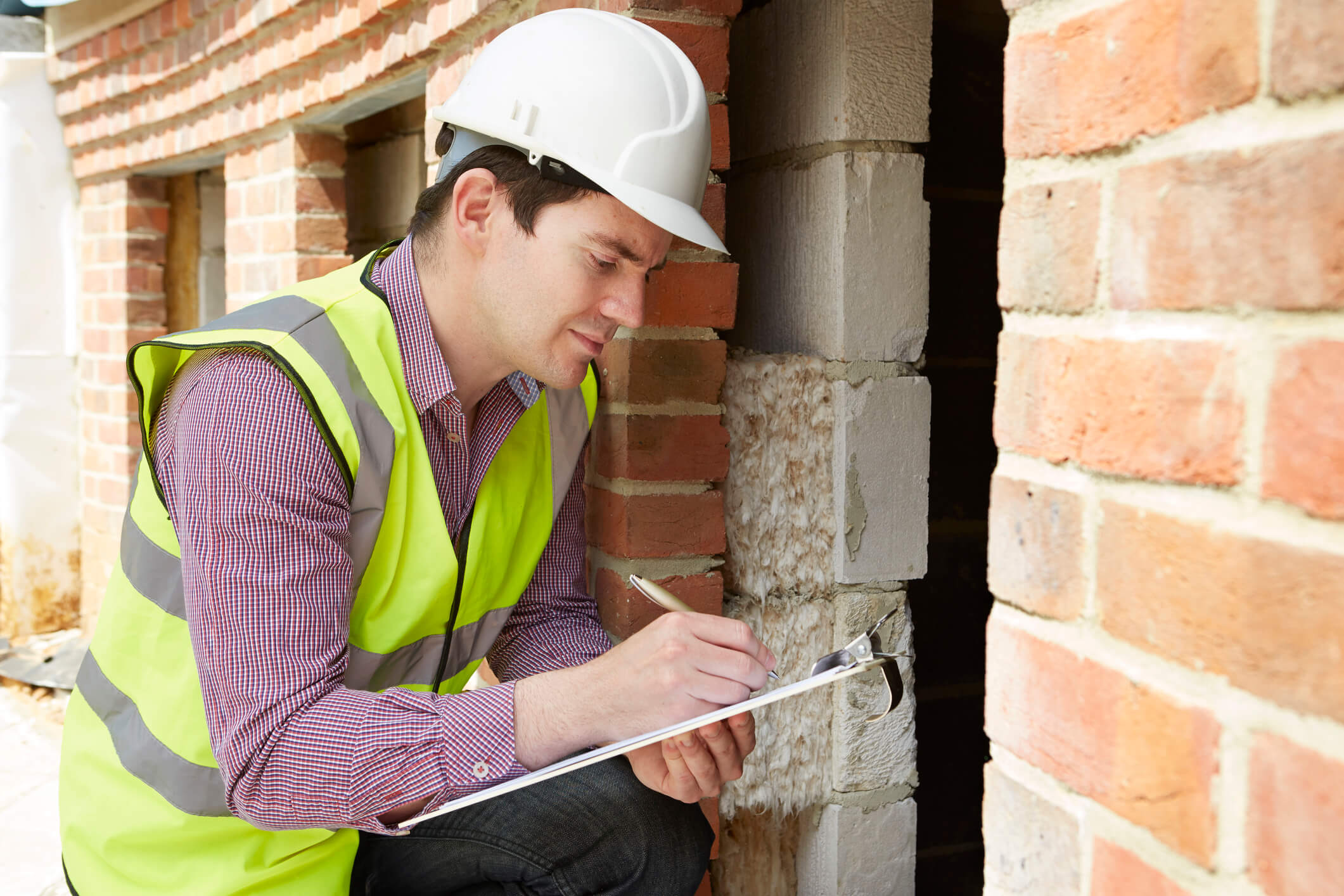
A pre-purchase building inspection reveals concealed issues or defects within a property that might elude detection by an untrained observer. These concerns vary from minor, aesthetic imperfections to significant structural issues that pose risks to the safety and stability of the residence. Throughout the inspection process, a certified expert meticulously scrutinizes the property’s interior and exterior, searching for indications of damage, deterioration, and possible dangers. They will check the roof, walls, foundation, electrical and plumbing systems, and other critical home components to ensure they are in good working order. By identifying these issues before you commit to a purchase, a building inspection helps you decide whether the property is a sound investment or requires extensive repairs that could strain your budget.
Assessing the true value of the property
While a home may appear in excellent condition on the surface, an inspection reveals underlying issues that could significantly impact its value. For example, suppose an inspection uncovers a major structural problem or an outdated electrical system that requires extensive repairs. In that case, you negotiate a lower purchase price to account for these issues. If the inspection reveals the home is in excellent condition with no significant defects, you feel confident you’re making a sound investment at a fair price.
Avoiding costly surprises
While a home may appear to be in good condition, there could be hidden issues lurking beneath the surface that could lead to expensive repairs or renovations. For example, a leaky roof or faulty plumbing system may take time to be apparent. Still, these issues cause significant damage to the home over time and require thousands of dollars to repair. By identifying these problems during an inspection, you avoid the shock of unexpected expenses and budget accordingly.
Ensuring safety and habitability
An inspection identifies hazards such as faulty wiring, gas leaks, or structural issues that could pose a risk to you and your family. By addressing these issues before you move in, you have peace of mind knowing that your new home is safe. This is particularly important if you have young children or elderly family members who may be more vulnerable to specific hazards.
Facilitating smooth negotiations
A pre-purchase building inspection can also be valuable in negotiating your purchase terms. If an inspection reveals significant issues with the property, you request that the seller make repairs or offer a price reduction to account for the cost of addressing these problems. A detailed inspection report gives you leverage in these negotiations and helps you secure more favourable terms. It also enables you to avoid potential disputes by clearly documenting the property’s condition at purchase. To discover more, go to https://vitalbuildinginspection.com.au/pricing/.
Choosing the right inspector
Look for a qualified professional licensed, insured, and experienced in conducting residential property inspections. A good inspector should be thorough, detail-oriented, and able to communicate their findings clearly and concisely. They should also be willing to answer any questions and provide a comprehensive report that includes photos and detailed descriptions of any issues they identify. While it’s not required, attending the pre-purchase building inspection is a valuable learning experience for homebuyers. By accompanying the inspector as they examine the property, you gain a firsthand understanding of any issues they identify and ask questions about the implications of these problems.
