

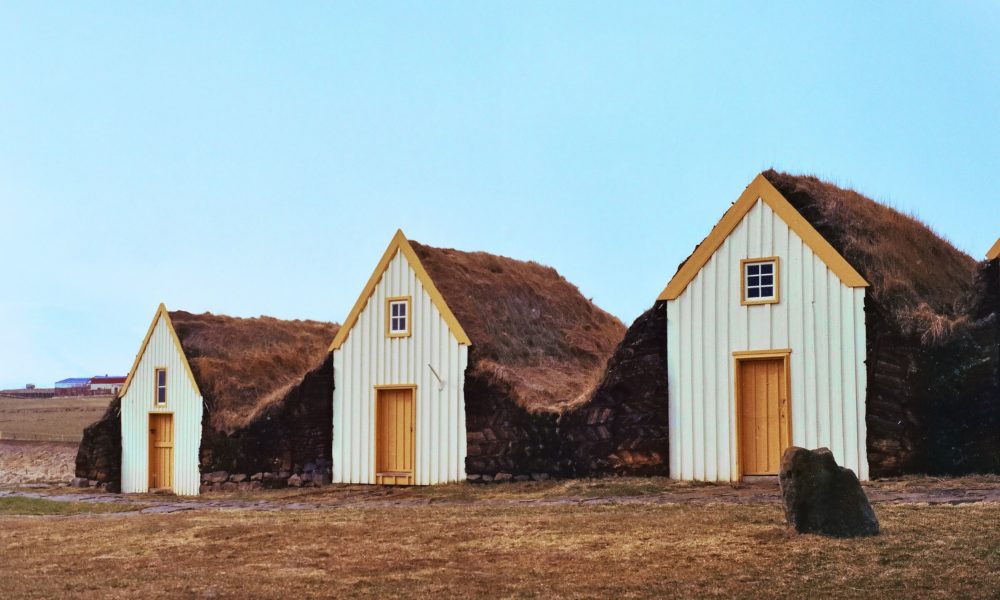
When moving to a smaller home, it’s essential to downsize your belongings to fit into the limited space available. Downsizing can be a challenging task, especially if you have accumulated a lot of possessions over the years. However, with proper planning and organization, you can make the process smoother and more manageable.
Create a Plan
The first step in downsizing is to create a plan. Determine the size of your new home and evaluate the available space for your belongings. Make a list of essential items that you need to bring with you and identify those that you can let go of. Having a clear plan will help you stay focused and make the downsizing process more efficient.
Declutter Room by Room

Start decluttering one room at a time. This approach will help you stay organized and prevent overwhelming yourself. Sort through your belongings and categorize them into three groups: keep, donate/sell, and discard. Be honest with yourself and consider the practicality and usefulness of each item in your new home.
Maximize Storage Space

When moving to a smaller home, it’s crucial to maximize the available storage space. Invest in furniture pieces that offer built-in storage options, such as ottomans with hidden compartments or beds with drawers underneath. Utilize vertical space by installing shelves or hanging organizers on walls. Make use of under-bed storage containers or closet organizers to optimize every inch of space.
Digitize Documents and Photos
One effective way to downsize is by digitizing your documents and photos. Scan important documents, such as medical records, financial statements, and legal papers, and store them digitally. This not only saves physical space but also makes it easier to organize and access your files. Similarly, scan old photographs and create digital albums to preserve memories without taking up physical space.
Let Go of Sentimental Items
It can be difficult to part with sentimental items, but downsizing often requires making tough decisions. Evaluate sentimental items and determine which ones hold significant meaning to you. Keep a few cherished pieces that truly bring you joy and consider passing down or gifting other sentimental items to family members or friends who will appreciate them.
Use the One-Year Rule
A helpful downsizing rule is the one-year rule. If you haven’t used or worn an item in over a year, it’s likely that you can live without it. Consider letting go of these unused items to free up space in your new home. This rule applies to clothing, kitchen gadgets, books, and other non-essential items.
Donate or Sell Unwanted Items
Instead of throwing away unwanted items, consider donating or selling them. Items that are in good condition but no longer needed can be donated to local charities or organizations. You can also sell items through online platforms or have a garage sale to make some extra money to offset moving expenses.
Stay Organized While Packing
During the packing process, ensure you stay organized to make unpacking more manageable in your new smaller home. Label each box with its contents and the room it belongs to. This will save you time and frustration when unpacking. Additionally, pack essential items separately and keep them easily accessible for the first few days in your new home.
Embrace Minimalism
Downsizing to a smaller home often goes hand in hand with embracing a minimalist lifestyle. Embrace the opportunity to simplify your life and surround yourself with only the things you truly need and love. Focus on quality over quantity and let go of the excess. A clutter-free and organized living space can bring a sense of peace and tranquility.
By following these downsizing tips, moving to a smaller home can be a positive and liberating experience. Remember to plan ahead, declutter room by room, maximize storage space, digitize documents and photos, let go of sentimental items, use the one-year rule, donate or sell unwanted items, stay organized while packing, and embrace minimalism. With a little determination and a systematic approach, you can create a cozy and functional living space in your new smaller home.
