

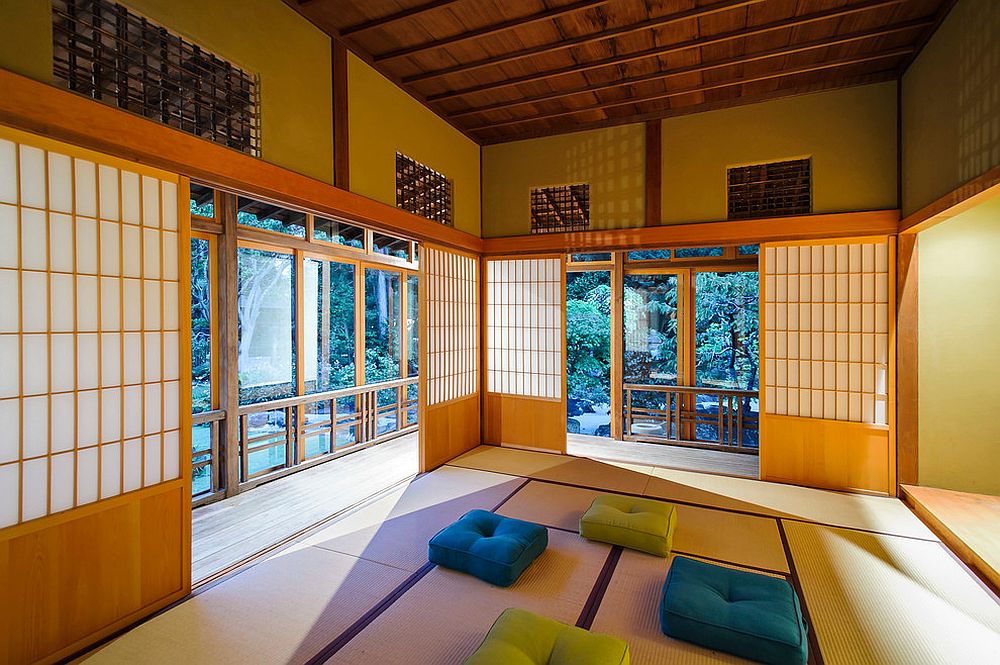
Creating a space for meditation and relaxation is essential for finding inner peace and tranquility. A Zen meditation room provides a sanctuary where you can disconnect from the outside world and reconnect with your inner self. In this article, we will explore the key elements to consider when designing a Zen meditation room.
1. Selecting the Right Space

Choosing the right space for your Zen meditation room is crucial. Ideally, it should be a quiet and peaceful area where you can escape distractions. Look for a room with ample natural light and good ventilation. If possible, select a room with a view of nature, as it can enhance the overall ambiance of the space.
2. Declutter and Simplify
Zen aesthetics prioritize simplicity and minimalism. Remove any unnecessary items from the room and keep the decor minimal. Clutter can create distractions and hinder your ability to focus during meditation. Stick to essential furniture and decorations that promote a sense of calmness and serenity.
3. Natural Elements
Incorporating natural elements into your Zen meditation room can help establish a connection with the environment and create a soothing atmosphere. Use materials such as wood, stone, and bamboo for flooring, furniture, and decor. Add plants to bring life and a sense of freshness to the space.
4. Soft Lighting
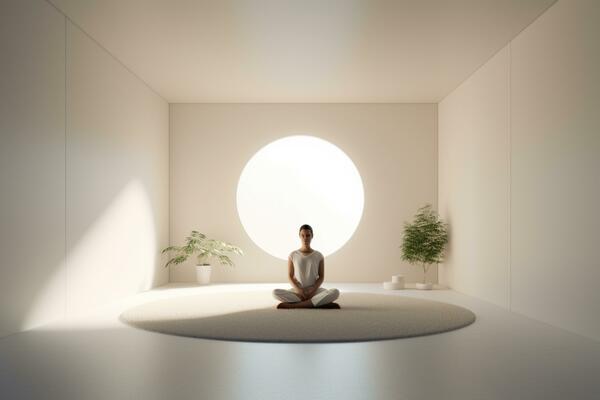
The lighting in your Zen meditation room should be soft and gentle. Harsh lighting can be distracting and disrupt the peaceful ambiance. Consider using floor lamps, paper lanterns, or candles to create a warm and inviting glow. Experiment with different lighting options to find what works best for you.
5. Comfortable Cushions and Mats
Comfort is essential during meditation. Invest in high-quality cushions and mats to create a cozy and inviting space. Opt for cushions with natural materials such as cotton or buckwheat hulls. Consider using a meditation bench or a zabuton for added support and comfort.
6. Soundproofing
To ensure a quiet and serene meditation experience, consider soundproofing your Zen meditation room. Soundproofing materials such as acoustic panels or curtains can help reduce external noise and create a peaceful environment. Alternatively, you can use soft background music or nature sounds to mask any unwanted noise.
7. Personal Touches
Add personal touches to make your Zen meditation room feel truly yours. Display meaningful objects or artwork that brings you joy and peace. Consider incorporating elements from your spiritual or cultural background to create a deeper sense of connection and inspiration.
8. Creating a Ritual Space
Design your Zen meditation room in a way that encourages a sense of ritual and mindfulness. Establish a designated space for meditation with a meditation cushion or a small altar. This will serve as a visual reminder to practice meditation regularly and help create a sense of sacredness in the room.
A Zen meditation room provides a sanctuary for self-reflection, relaxation, and inner peace. By selecting the right space, decluttering, incorporating natural elements, using soft lighting, ensuring comfort, soundproofing, adding personal touches, and creating a ritual space, you can design a Zen meditation room that truly supports your meditation practice. Embrace simplicity and let your meditation room become a haven of tranquility in your home.
