

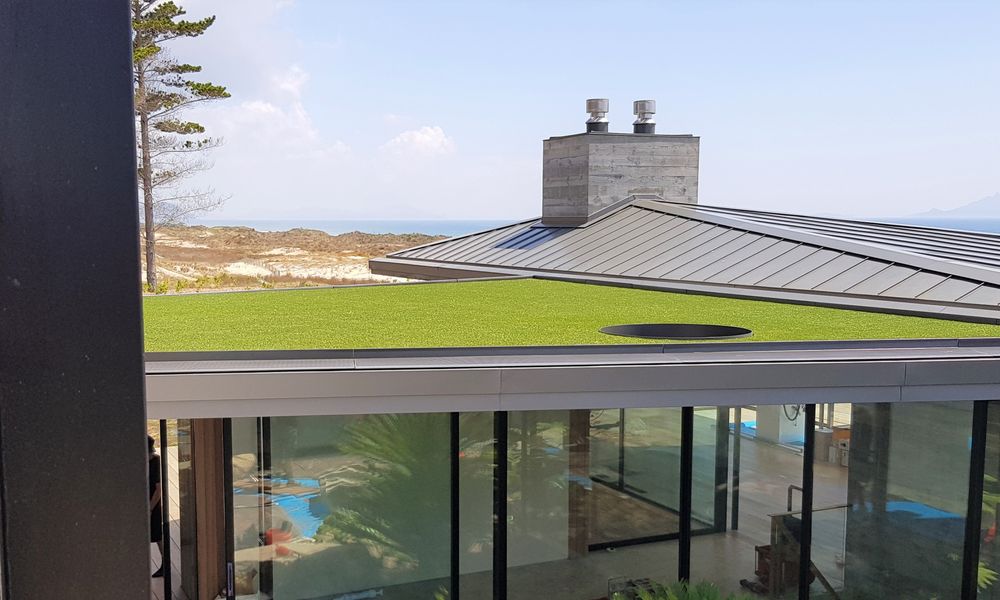
Green roofing, also known as vegetative or eco-roofing, is a sustainable roofing solution that involves the cultivation of plants on rooftops. It is gaining popularity worldwide due to its numerous environmental and economic benefits. In this article, we will explore the various advantages of green roofing and discuss its implementation process.
Benefits of Green Roofing
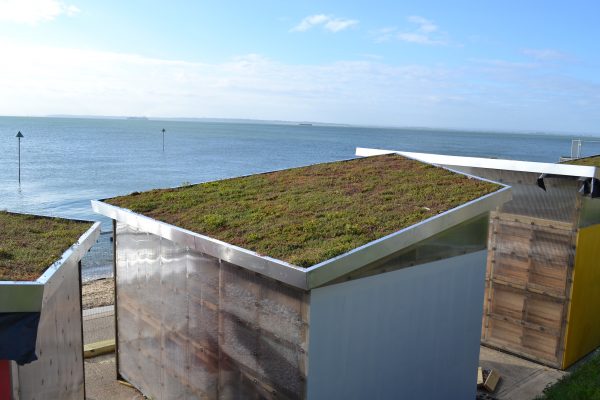
1. Environmental Benefits:
- Improved Air Quality: Green roofs absorb carbon dioxide and release oxygen, contributing to cleaner air.
- Reduced Urban Heat Island Effect: Vegetation on rooftops helps to reduce the temperature of cities, mitigating the urban heat island effect.
- Stormwater Management: Green roofs can absorb and retain rainwater, reducing the burden on stormwater systems and preventing urban flooding.
- Biodiversity Support: Green roofs provide habitats for birds, insects, and other wildlife, promoting urban biodiversity.
2. Energy Efficiency:
- Temperature Regulation: The vegetation layer of green roofs acts as insulation, reducing the need for excessive heating or cooling, and consequently lowering energy consumption.
- Reduced HVAC Costs: Green roofs can decrease the load on HVAC systems, resulting in lower energy bills and maintenance costs.
3. Extended Roof Lifespan:
- Protection from UV Rays: The vegetation layer shields the roofing materials from direct exposure to harmful UV rays, extending their lifespan.
- Reduced Roof Maintenance: The additional layer of plants helps to protect the roof from extreme weather conditions and reduces the need for frequent repairs.
Implementation Process
The implementation of green roofing involves several key steps:
- Structural Assessment: Before installing a green roof, it is crucial to assess the structural capacity of the building to ensure it can support the additional weight of the vegetation, soil, and water.
- Waterproofing: A waterproofing membrane is installed to prevent water leakage into the building.
- Drainage System: A drainage layer is added to allow excess water to flow out and prevent waterlogging.
- Growth Medium: A layer of lightweight, nutrient-rich soil is added to provide a suitable growing environment for the plants.
- Plant Selection: Selecting the appropriate plant species that can thrive in the rooftop conditions is essential.
- Maintenance: Regular maintenance, including watering, pruning, and fertilizing, is necessary to ensure the health and longevity of the green roof.
It is important to consult with green roofing professionals or landscape architects during the implementation process to ensure the success of the project.
Green roofing offers numerous environmental benefits such as improved air quality, reduced urban heat island effect, stormwater management, and biodiversity support. Additionally, it provides energy efficiency, extends the lifespan of the roof, and reduces maintenance costs. Implementing green roofing involves structural assessment, waterproofing, drainage system installation, growth medium application, plant selection, and regular maintenance. Embracing green roofing can contribute to a sustainable future by promoting environmental stewardship and enhancing the overall well-being of urban areas.
