

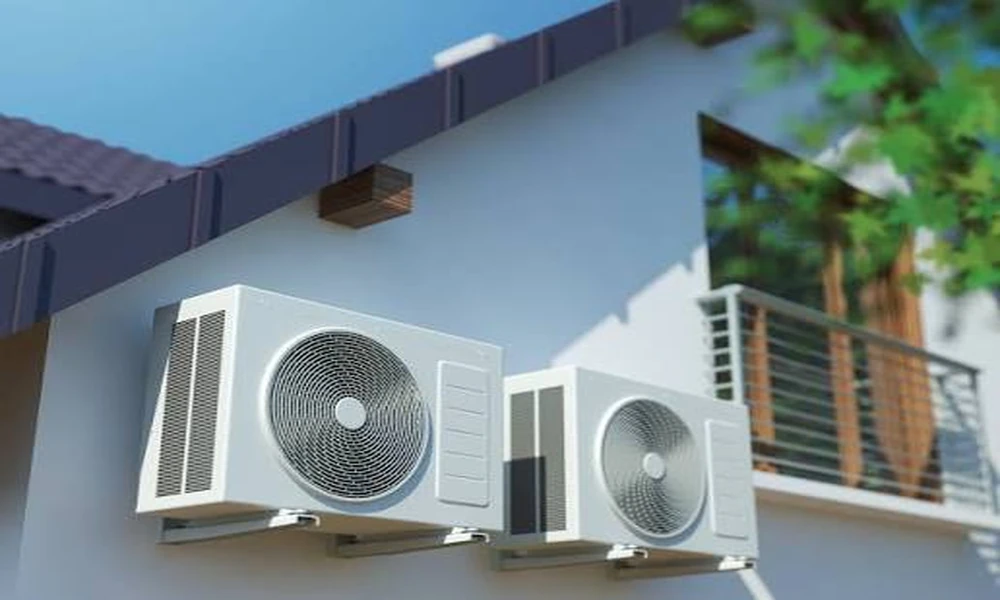
As temperatures begin to rise, many homeowners flip on their air conditioner without giving it a second thought. After sitting unused for months, however, your cooling system may need a little attention before it’s ready to handle the summer heat. Taking a few minutes to inspect your unit can improve efficiency, reduce the risk of breakdowns, and help you stay comfortable throughout the season.
If you notice signs of wear or your system hasn’t been serviced in a while, it’s worth consulting a trusted air conditioning company Bay Ridge for a professional inspection. Even if everything appears to be working, a simple pre-season check can save you time, money, and frustration later.
Inspect the Outdoor Unit
Your outdoor condenser works hard to release heat from your home, so it needs plenty of airflow to function efficiently. During the fall and winter, leaves, dirt, branches, and other debris can collect around the unit.
Before turning on your air conditioner:
- Remove leaves, weeds, and debris from around the condenser.
- Trim shrubs and plants at least two feet away from the unit.
- Check for bent or damaged condenser fins.
- Look for signs of pests or nests inside or around the equipment.
Keeping the area clean allows your air conditioner to operate more efficiently and reduces unnecessary strain on the system.
Replace or Clean the Air Filter
One of the simplest maintenance tasks is also one of the most important. A dirty air filter restricts airflow, making your air conditioner work harder than necessary.
A clean filter helps:
- Improve indoor air quality.
- Increase cooling efficiency.
- Reduce energy consumption.
- Protect internal components from dust buildup.
Disposable filters generally need replacement every one to three months, depending on household conditions such as pets, allergies, or heavy system use.
Check the Thermostat Settings
Before switching your system to cooling mode, verify that your thermostat is working properly.
Test the settings by lowering the temperature several degrees below the current room temperature. The air conditioner should start within a few moments.
If your home uses a programmable or smart thermostat, review the cooling schedule to make sure it matches your family’s summer routine. Updating these settings can improve comfort while avoiding unnecessary energy use.
Inspect Air Vents Throughout the Home
Even a perfectly functioning air conditioner cannot cool your home effectively if airflow is blocked.
Walk through each room and check that:
- Supply vents are fully open.
- Furniture is not blocking vents.
- Curtains or rugs are not covering airflow.
- Return vents remain unobstructed.
Balanced airflow helps maintain even temperatures and prevents your HVAC system from working harder than necessary.
Look for Visible Signs of Damage
Winter weather and months of inactivity can sometimes leave cooling systems with visible issues.
Inspect both the indoor and outdoor components for:
- Loose electrical wires
- Damaged insulation
- Rust or corrosion
- Oil or refrigerant leaks
- Cracked drain lines
While homeowners can identify obvious problems, electrical repairs or refrigerant issues should always be handled by qualified HVAC professionals.
Test the System Before the First Heat Wave
Don’t wait until the hottest day of the year to discover your air conditioner isn’t working properly.
Run the system for 15 to 20 minutes during a mild day and pay attention to how it performs.
Watch for warning signs such as:
- Warm air coming from vents
- Weak airflow
- Unusual noises
- Strange odors
- Frequent cycling on and off
Addressing small issues early often prevents more expensive repairs later in the season.
Check the Condensate Drain
As your air conditioner cools your home, it also removes humidity from the air. That moisture drains away through the condensate line.
Over time, algae, dirt, and debris can clog this drain, potentially leading to water damage or system shutdowns.
Inspect the drain line for visible blockages and ensure water flows freely when the system operates. If you notice standing water around the indoor unit, it’s a good idea to have the drain professionally cleaned.
Listen for Unusual Sounds
Every air conditioner makes some noise while operating, but unfamiliar sounds often indicate developing problems.
Be alert for noises such as:
- Grinding
- Squealing
- Banging
- Clicking
- Buzzing
These sounds may point to worn bearings, loose components, electrical problems, or failing motors. Ignoring unusual noises can allow minor problems to become major repairs.
Review Your Energy Bills
Comparing your most recent cooling bills with previous years can provide valuable insight into your system’s performance.
If your electricity usage suddenly increases without a clear explanation, your air conditioner may be operating less efficiently than before. Dirty coils, aging components, refrigerant issues, or airflow restrictions can all contribute to higher operating costs.
Identifying efficiency problems early helps keep monthly utility bills under control.
Schedule Preventive Maintenance
Even if your system appears to be working normally, annual maintenance remains one of the best investments you can make.
A professional HVAC technician can:
- Inspect electrical connections.
- Check refrigerant levels.
- Clean condenser and evaporator coils.
- Test system performance.
- Lubricate moving parts where needed.
- Identify worn components before they fail.
Routine maintenance helps extend equipment life, improve energy efficiency, and reduce the likelihood of unexpected breakdowns during peak summer temperatures.
Common Mistakes to Avoid
Many homeowners unintentionally shorten the lifespan of their air conditioning system through simple oversights.
Some of the most common mistakes include:
- Turning on the system without replacing a dirty filter.
- Ignoring debris around the outdoor unit.
- Closing too many air vents throughout the home.
- Skipping annual professional maintenance.
- Waiting until the system completely fails before seeking repairs.
Avoiding these mistakes helps your air conditioner operate more efficiently while reducing long-term repair costs.
Conclusion
Preparing your air conditioner for summer doesn’t require extensive mechanical knowledge, but it does require a little attention before the season begins. Simple tasks like replacing the air filter, cleaning the outdoor unit, checking airflow, and testing the thermostat can make a noticeable difference in comfort and efficiency.
For issues beyond basic maintenance, professional service can identify hidden problems before they become costly repairs. By taking these preventive steps now, you’ll be better prepared to enjoy reliable cooling and lower stress throughout the hottest months of the year.
