

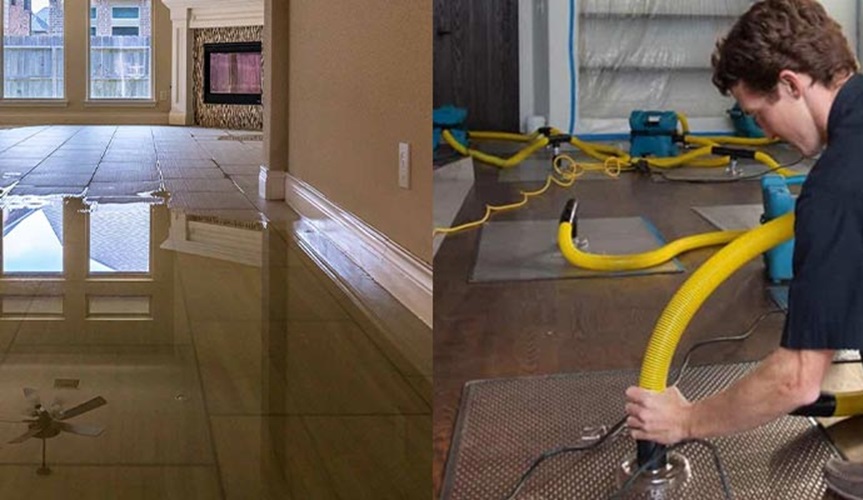
Fixing water damage is not easy and requires an experienced professional to restore the affected area properly. When dealing with water damage, it is important to take prompt action to prevent further damage from taking place.
So, how long does water damage restoration take? Well, it depends on various factors which we have covered in the below lines. Before you start looking for a water damage restoration company in Toronto, you must under the various factors at play.
Extent of Damage
The severity of water damage determines how long it will take to repair it. Sometimes, a small leak only damages the surface and other times, a lot of water can soak in and cause deeper damage.
Standing water can penetrate materials such as wooden structures, flooring, and drywall. In severe cases, it can even affect the foundation of the building. If left neglected, mold can start growing in just 24 hours.
The longer you ignore the problem, the more time it will take to clean up. This is why, it is important to act quickly in such situations. That way, you can minimize structural damage and even reduce cleanup time.
Area Size
The size of the affected area is another crucial factor in determining how long water damage restoration will take. Larger areas naturally require more time to dry out.
Even the layout of the space plays a role; open areas tend to dry faster than areas with complex structural components or drywall structures.
Type of Water
Even the water type matters when it comes to water damage restoration. Water damage scenarios involve three main types:
- Clean water: This is fresh water from pipes and is the quickest to clean due to its low hazard level.
- Blackwater: This refers to sewage water and requires special tools and equipment to clean. It takes a lot of time to clean black water.
- Grey water: This includes wastewater from showers and sinks, containing contaminants like soap residue and dirt, which require additional cleanup steps.
The time required for water damage restoration depends on these factors. By taking prompt action, you can minimise the damage and also speed up the restoration process. Understand each situation is unique, so it’s essential to assess these factors to get an idea of how long the cleanup will take.
