

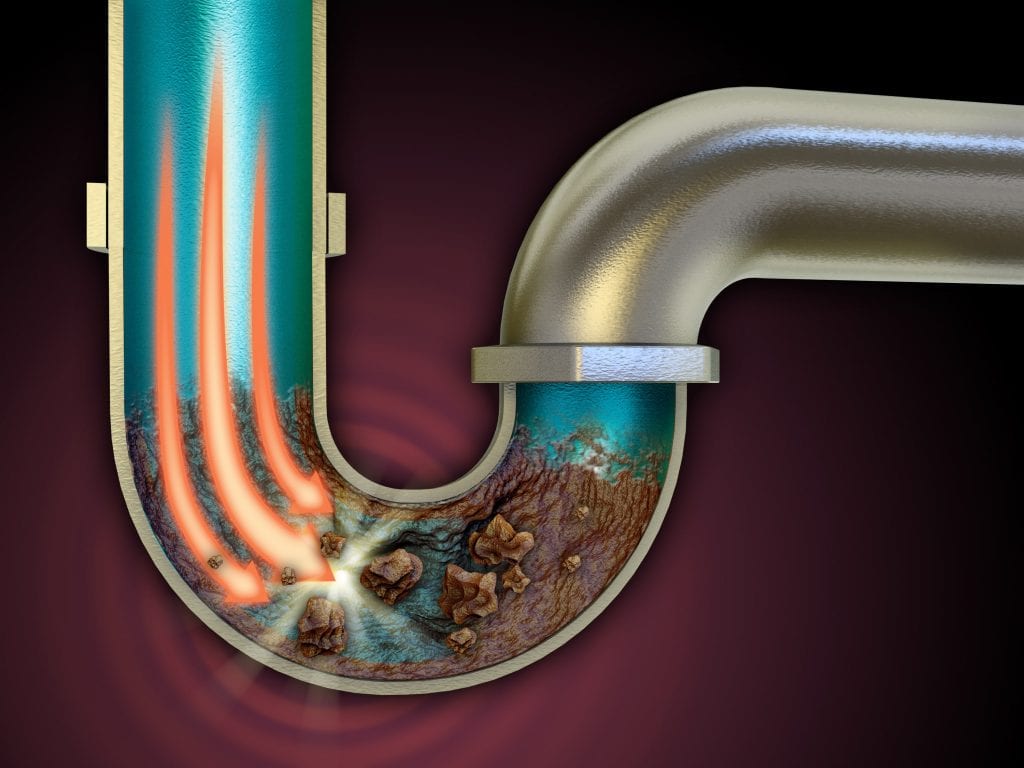
A sewer backup is a homeowner’s nightmare, bringing not only inconvenience but also potential health hazards and property damage. Understanding the causes of a sewer backup is essential for prevention and timely intervention. This knowledge helps in identifying early signs and implementing measures to avoid such distressing situations.
Let us delve into five common reasons behind sewer backups, providing insights to help safeguard your home against these unwelcome incidents.
Clogged pipes
One of the most frequent causes of sewer backups is clogged pipes. Everyday materials like hair, grease, and paper products can accumulate over time, leading to significant blockages. These clogs prevent wastewater from flowing freely, causing it to back up into your home. Regular maintenance and mindful disposal of waste can help prevent these blockages.
Tree root infiltration
Tree roots seeking moisture can infiltrate sewer lines, especially those with cracks or loose joints. As these roots grow, they can cause blockages or even break the pipes, leading to backups. Periodic inspection of sewer lines, especially in older homes surrounded by large trees, can help identify and address root intrusion early on.
Structural defects
Over time, sewer lines can suffer from structural defects, including cracks, holes, or collapses. These defects can disrupt the flow of wastewater, causing it to back up into your home. Regular inspections by professionals can help detect such issues before they lead to severe backups.
Municipal sewer problems
Sometimes, the cause of a sewer backup lies beyond your property line, in the municipal sewer system. Overflows or blockages in the public sewer can cause wastewater to back up into connected residential lines. Staying informed about local sewer system issues and reporting any signs of problems can help mitigate this risk.
Heavy rainfall and flooding
Excessive rainfall or flooding can overwhelm both municipal and residential sewer systems. When stormwater enters the sewers at a rate faster than it can be processed, the excess can back up into homes. Installing a backwater valve and ensuring proper drainage around your property can help protect against backups caused by heavy rains.
To sum up
By understanding the common causes of sewer backups, homeowners can take proactive steps to prevent them. Whether it’s regular maintenance to avoid clogs, inspecting for tree root infiltration, addressing structural defects, monitoring municipal sewer systems, or preparing for heavy rainfall, being informed and prepared is your best defense against the disruptive and damaging effects of sewer backups.
