

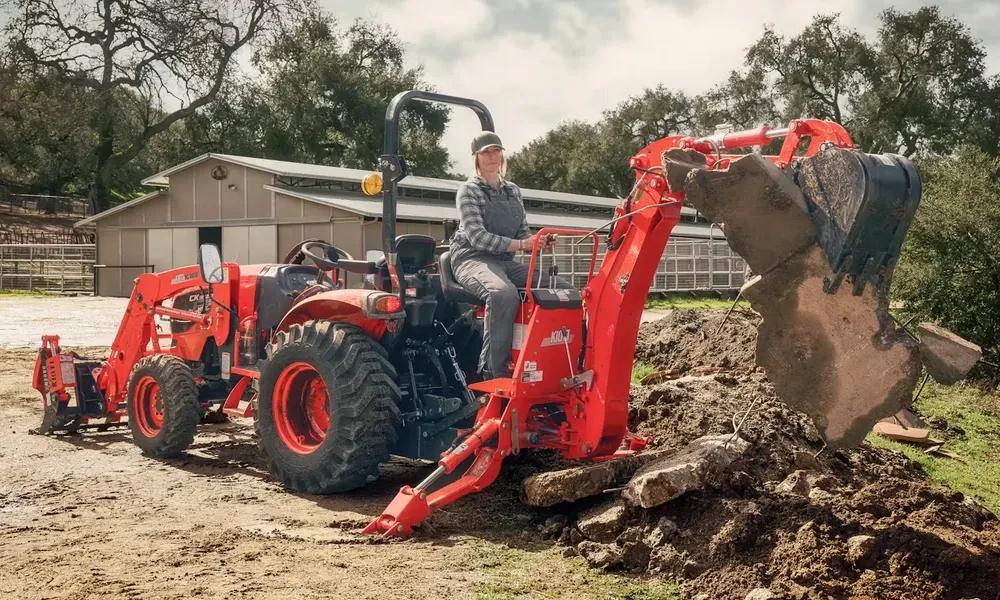
When deciding between a compact tractor or riding mower, it can be difficult since both types of equipment can be useful in keeping outdoor areas clean. They have different capabilities and usage, however.
When comparing different equipment options, it can also help to look closely at the strengths each model brings to everyday property work. A Face Off John Deere Vs Guide can provide useful perspective when weighing factors such as mowing performance, versatility, operator comfort, attachment compatibility, and overall value. This kind of comparison can make it easier to identify which machine best matches your property, workload, and long-term maintenance expectations before making a purchase.
Begin with Your Main Tasks.
The first step is to determine what work the machine will do. A riding mower might offer the simple performance that you require if the main thing you need to do is mow large areas of grass. A smaller tractor will be more versatile and be able to move materials, till soil, clean paths, and run various attachments.
Evaluate Property Size
Take into account the overall size of the property and ease of machine movement. Riding mowers may be useful for open lawns that need to be mowed on a regular basis. Compact tractors may be beneficial in properties that need more diverse maintenance, however, they might not be the ideal choice for tight areas because of their larger size.
Examine the Terrain
The type of terrain may play a large part in determining what type of equipment to use. Observe slopes, uneven terrain, soft soils and trees and fences. A small tractor might be helpful for some difficult jobs, and a riding mower for relatively flat sections of the lawn. Do not forget to take into account the manufacturer’s operating guidelines for slopes and terrain.
Compare Cutting Needs
When choosing a mower for cutting, consider mower deck width, cutting height adjustments, manoeuvrability, and mower operating speed. A larger deck can cast a wider shadow, or a smaller deck can be easier to maneuver around landscaping or in a small area. Take into account the frequency of use of the machine.
Follow the steps to choose Attachment Options.
Check out Attachment Options.
Most compact tractors are more versatile since they can have attachments like front loaders, tillers, rear blades, and others. Certain riding mowers will also accommodate other accessories, but typically the range is more tailored to the upkeep of the lawn. Consider what you are going to use the device for first before choosing the degree of versatility.
consider: Ease of Operation
Many factors contribute to the operator experience such as controls, seating, visibility, steering and accessibility. At the least possible, try out a few models and see if the controls seem intuitive. One of the most significant aspects to consider is the ease of operation, especially if the device is intended to be used for long periods.
Compare Maintenance Needs
Be familiar with the cleaning needs of each option. Think about oil changes, filters, belts, blades, tyres, hydraulic parts and more. See if they have parts, and also if it is possible to get professional servicing locally. Downtime and ownership costs can be minimised with simple maintenance.
Calculate Long-Term Expenses
Don’t choose the machine based on price alone. When calculating total ownership costs, consider fuel use, maintenance, attachments, repairs, storage, and replacement parts. A machine that will do multiple jobs may be more worth the price if you can’t afford another machine for them.
Conclusion
The selection of the right option depends on the purpose that you are going to use the machine for. Make comparisons between your property, terrain, mowing needs, the required attachment, comfort, maintenance duties, and long-term cost.
