

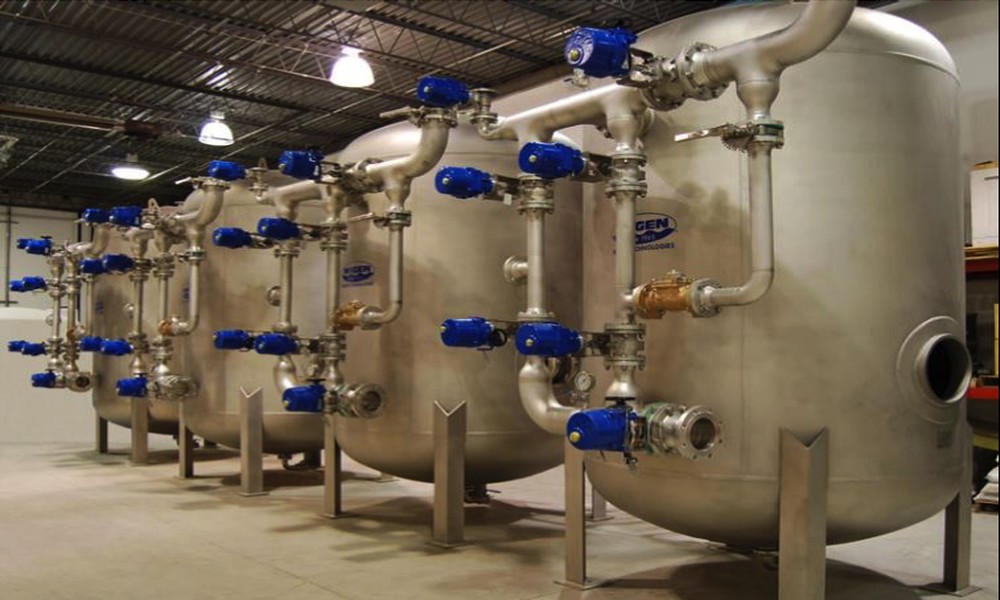
Clean water is something most homeowners assume they already have-until they notice hard water stains on fixtures, dry skin after showers, or an odd taste in their drinking water. That’s where whole-house water treatment systems come in. These systems are designed to treat all the water entering your home, not just what comes out of a single faucet. If you’ve ever wondered how they work and whether they’re worth it, this guide will walk you through everything you need to know.
What Is a Whole-House Water Treatment System?
A whole-house water treatment system, sometimes called a point-of-entry system, is installed where the main water line enters your home. Instead of treating water at one specific tap like a countertop filter or under-sink unit, it treats every drop of water before it flows to your kitchen, bathrooms, laundry room, and even outdoor spigots.
This means the water you drink, cook with, bathe in, and wash your clothes with is all filtered or conditioned according to your home’s specific needs.
Why Homeowners Choose Whole-House Water Treatment
Many homeowners don’t realize how much untreated water can impact daily life. Common water issues include:
- Hard water causing scale buildup in pipes and appliances
- Chlorine taste or odor from municipal supplies
- Sediment or rust from aging plumbing
- Contaminants from well water sources
- Skin irritation and dry hair
A properly installed whole-house system addresses these concerns at the source. Instead of managing multiple small filters around the home, you get a centralized solution that protects plumbing, improves comfort, and enhances water quality everywhere.
The Main Types of Whole-House Systems
Not all water is the same, and neither are treatment systems. The right solution depends on your water source-municipal or well-and the specific contaminants present.
1. Water Softeners
Water softeners are designed to remove minerals like calcium and magnesium that cause hard water. They use an ion-exchange process to replace these minerals with sodium or potassium.
Benefits include:
- Reduced scale buildup in pipes
- Longer appliance lifespan
- Softer skin and hair
- Cleaner dishes and laundry
If you’re constantly scrubbing white residue off faucets, a softener may be essential.
2. Whole-House Filtration Systems
These systems use carbon filters, sediment filters, or multi-stage media to remove contaminants such as chlorine, volatile organic compounds (VOCs), and debris.
They’re ideal for homeowners who want:
- Better-tasting drinking water
- Odor-free showers
- Reduced chemical exposure
- Improved overall water clarity
Carbon-based filtration is especially effective for municipal water supplies that contain chlorine.
3. Reverse Osmosis (RO) Systems
While reverse osmosis is more commonly used at a single tap, some homes integrate large-scale RO systems for comprehensive treatment. RO systems push water through a semi-permeable membrane to remove dissolved solids and microscopic contaminants.
These systems are typically recommended for homes with high contaminant levels, such as certain well water conditions.
4. UV Water Purification
UV systems use ultraviolet light to neutralize bacteria, viruses, and other microorganisms. They don’t remove sediment or minerals, so they’re usually combined with filtration or softening systems.
They’re especially valuable for private well owners concerned about biological contamination.
How the Installation Process Works
The first step in choosing a whole-house water treatment system is professional water testing. A reliable water analysis identifies exactly what’s in your water and what needs to be treated. Installing the wrong system can be ineffective-or unnecessarily expensive.
Once the right solution is selected, a licensed technician installs the unit near the main water line. Proper installation ensures optimal water pressure, system efficiency, and long-term reliability.
Professional installation also ensures compliance with local plumbing codes and manufacturer warranties.
Benefits Beyond Clean Water
Many homeowners focus on drinking water quality-but the advantages go much further.
1. Appliance Protection
Dishwashers, washing machines, and water heaters last longer when protected from mineral buildup and sediment.
2. Reduced Maintenance Costs
Less scale and corrosion mean fewer plumbing repairs and lower maintenance expenses.
3. Improved Skin and Hair Health
Filtered, softened water is gentler on your skin and can help reduce dryness and irritation.
4. Eco-Friendly Living
With better water quality at home, families often rely less on bottled water, reducing plastic waste and environmental impact.
Is a Whole-House System Worth the Investment?
While whole-house water treatment systems require an upfront investment, many homeowners find the long-term savings and quality-of-life improvements well worth it.
Instead of replacing appliances prematurely or constantly buying bottled water, you gain a consistent, reliable solution that supports your home’s plumbing and your family’s well-being.
The key is choosing a provider that offers customized solutions rather than one-size-fits-all systems. Every home’s water profile is different, and treatment should be tailored accordingly.
Final Thoughts
Whole-house water treatment systems offer comprehensive protection for your home’s water supply, improving everything from taste and odor to plumbing longevity and skin comfort. By treating water at the point of entry, these systems ensure that every faucet delivers cleaner, safer water.
If you’re noticing signs of hard water, unusual odors, or simply want peace of mind about what’s flowing through your pipes, a professionally designed whole-house solution could be the upgrade your home needs. Consulting with an experienced water treatment specialist ensures you receive a system tailored to your specific water conditions-so you can enjoy better water, every day, throughout your entire home.
This post was written by a professional at OneGreenFilter – Water Purification Experts. At https://onegreenfilter.com/, we provide healthy, great-tasting water for Bay Area families through expert residential water filtration. Established in 2017, we focus on doing three things right: selling the right system, installing it properly, and maintaining it long-term. Our services include whole-home water filtration, water softeners, and reverse osmosis systems designed for your home’s specific water needs. We’re locally owned, sustainability-focused, and trusted for our 5-star service. Enjoy free water testing, professional installation, and long-term peace of mind.
