

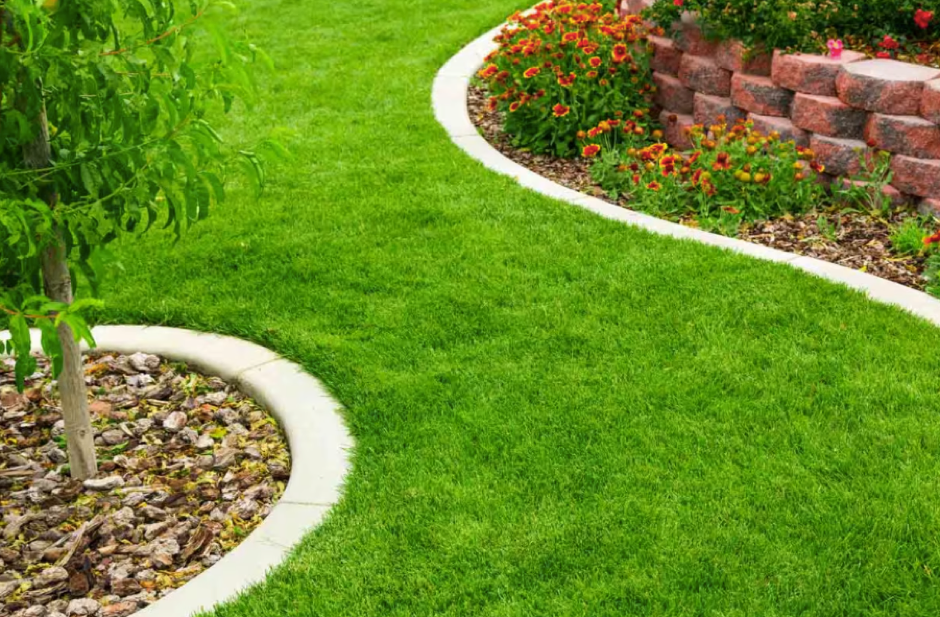
A yard is never just grass. Not if you look at it closely. It can be dull, empty, waiting—or it can be a living space, layered with purpose, memory, colour. You see it every morning stepping out the door, every evening pulling into the driveway. Some people notice only weeds and patches. Others imagine possibility. That’s when they call on landscapers in Jackson, NJ—because turning “what is” into “what could be” is not as simple as laying sod or planting a few roses.
Why Landscape Design Has to Mean More
People think landscaping is about appearance. Green lawn. Some flowers. Maybe a tree if the budget stretches. But pause for a second. What happens when the first heavy rain comes? If the slope is wrong, water moves the wrong way—straight to your basement. What about that sunny patch near the fence? You plant hydrangeas, they wither in two weeks.
Design isn’t decoration. It’s foresight. A plan that keeps the yard balanced, usable, alive. The aesthetics matter, of course—but if the structure beneath fails, the beauty collapses with it.
Landscapes That Match the People Who Live There
Walk through Jackson and you’ll notice: no two yards feel alike. One has a trampoline, grass beaten down by children’s feet. Another looks like a quiet retreat—stone bench, pond, a few lilies floating. Then you turn a corner and find outdoor kitchens, fireplaces, patios—spaces that feel almost like indoor rooms with the ceiling missing.
This variation is the point. People don’t live the same way. So why should landscapes look the same? Local designers get this. They’ve seen the humid summers, the icy winters. They know which shrubs collapse in heavy snow and which stand strong. That’s why skilled landscapers Jackson NJ don’t copy-paste templates—they build spaces shaped by lifestyle and weather together.
Seasons Always Have the Last Word
New Jersey doesn’t let you forget the calendar. Spring arrives—fast, noisy, almost overwhelming. Everything blooms at once. Then summer presses in, humid, relentless. By autumn, colour burns through the leaves until they drop in heaps, and winter—winter wipes the slate, leaves the land bare, harsh, waiting.
Designing for that cycle is a puzzle. A maple tree offering thick shade in July later becomes a lantern of fire-orange in October. Ornamental grasses hold form even under a dusting of snow, giving shape when everything else has vanished. A careless design might look dazzling in June and lifeless in February. A smart one? It bends with the seasons, always offering something.
Sustainability That Feels Practical
Trends come and go. Sustainability isn’t one of them. It’s survival—of plants, of soil, of budgets. Why waste gallons of water on grass that browns every August? Why pour chemicals into soil when compost and mulch achieve the same, with less cost and less harm?
In Jackson, rain gardens make sense. So do drip irrigation systems that deliver water where it matters. Mulch—humble, often overlooked—does more than tidy beds. It locks in moisture, feeds soil, cools roots. Small choices stack up. A yard that wastes less, asks less, gives more back. That’s not a gimmick; it’s the future of landscaping.
Hardscaping: The Skeleton Beneath the Green
Plants provide life, yes—but the skeleton, the shape, comes from hardscape. Walkways tell your feet where to go. Walls hold slopes, create terraces, give the eye layers. A patio anchors gatherings, turning “backyard” into “room without walls.”
Think about a space with no bones—plants scattered, no direction. It feels unfinished, confusing. Add a stone path, maybe a wooden deck, a low wall with lighting that spills softly at night—and suddenly the yard has coherence. Hardscaping doesn’t dominate. It frames, supports, makes the living things stand taller.
Why Local Expertise Is Irreplaceable
DIY has its charm. A trip to the garden centre, a few hopeful purchases. But then? The azaleas fail. The lawn floods. The tree planted too close to the driveway pushes roots under the pavement. Mistakes multiply.
Professionals see what amateurs can’t. They know the soil here—sandy pockets, clay-heavy sections, the quirks that trip people up. They’ve watched which plants survived brutal winters and which patios cracked in freeze-thaw cycles. That isn’t in a manual; it’s learned through seasons, through failures, through fixes. Knowledge passed yard by yard.
And that’s the value. Expertise, yes, but also memory. Landscapers who remember last year’s storm, the drought five years ago, the frost that killed half the town’s roses. That history shapes better choices now.
Final Thought
A yard should never be an afterthought. It’s an extension of the home, sometimes even the part most lived in during warm months. But creating one that thrives—through weather, through years, through shifting needs—takes more than luck. It takes vision, technical skill, and patience.
That is why working with landscapers in Jackson, NJ, matters. Because in their hands, land isn’t just managed. It is transformed into space—personal, practical, beautiful. And lasting.
